What Are Dental Crowns?
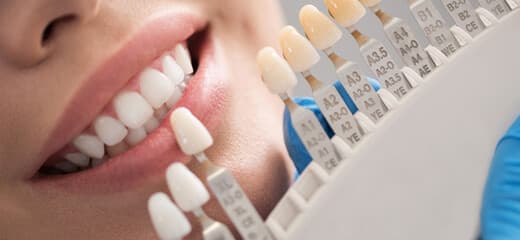
A dental crown is a cap-like structure placed over a tooth to restore its shape, size, strength, and appearance. Crowns are commonly used to protect a weakened tooth, improve the aesthetics of a smile, or complete a dental implant. They are custom-made to match the natural teeth in color and shape, ensuring seamless integration into the mouth.
When Are Dental Crowns Needed?
Dental crowns are versatile and can be used in various situations, including:
- Restoration: To cover and protect a tooth weakened by decay or after a root canal treatment.
- Aesthetic Improvement: To enhance the appearance of discolored or misshapen teeth.
- Repair: To restore a broken or severely worn-down tooth.
- Dental Implants: To act as the visible part of a dental implant.
- Bridges: To anchor a dental bridge replacing missing teeth.
Types of Dental Crowns
Several materials can be used for dental crowns, each with unique benefits:
- Porcelain or Ceramic Crowns:
- Best for natural-looking results.
- Ideal for front teeth due to their lifelike appearance.
- Metal Crowns:
- Extremely durable and long-lasting.
- Often used for molars where strength is critical.
- Porcelain-Fused-to-Metal (PFM):
- Combines the durability of metal with the aesthetics of porcelain.
- Zirconia Crowns:
- Strong and aesthetically pleasing.
- Resistant to chipping and cracking.
- Resin Crowns:
- Less expensive but prone to wear and discoloration over time.
How Are Dental Crowns Placed?
- Initial Consultation and Preparation:
- The dentist evaluates the tooth’s condition using X-rays and assesses whether a crown is the best solution.
- The tooth is reshaped to make space for the crown, and any decay is removed.
- Impressions:
- An impression of the tooth is taken to create a custom crown.
- A temporary crown is placed to protect the tooth while waiting for the permanent crown.
- Crown Placement:
- The permanent crown is bonded to the tooth using dental cement.
- Adjustments are made for a perfect fit and bite alignment.
What Is the Recovery Process After Getting a Dental Crown?
- Immediate Effects:
- Patients may experience mild sensitivity or discomfort after the procedure, which typically subsides within a few days.
- Long-Term Care:
- Maintain good oral hygiene to prevent decay around the crowned tooth.
- Avoid biting on hard objects to protect the crown from damage.
Advantages and Disadvantages of Dental Crowns
Advantages:
- Restores tooth function and appearance.
- Protects weakened or damaged teeth.
- Long-lasting with proper care.
- Improves confidence by enhancing the smile.
Disadvantages:
- May cause temporary sensitivity after placement.
- Requires removal of some natural tooth structure.
- Crowns can occasionally loosen or fall off, requiring reattachment.
How Much Do Dental Crowns Cost?
The price of dental crowns varies depending on the material, location, and the complexity of the procedure.
- United States: $800-$3,000 per crown.
- United Kingdom: £300-£1,200 per crown.
- Turkey: €150-€400 per crown.
Why Choose Turkey for Dental Crowns?
Turkey has gained a reputation as a leading destination for dental treatments due to:
- Highly trained dentists using advanced technologies.
- Affordable costs, often 50-70% cheaper than in Western countries.
- Comprehensive treatment packages that include accommodation, airport transfers, and aftercare services.
- The opportunity to combine dental care with a relaxing vacation.