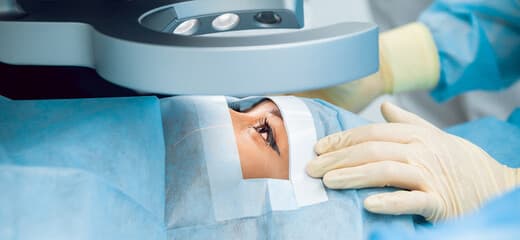
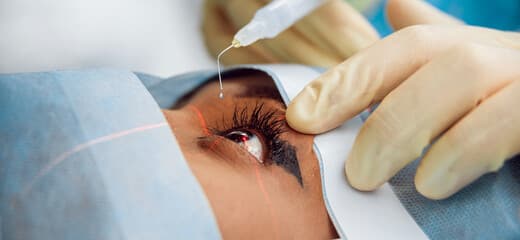
What is Cataract Surgery?
Cataract surgery is a procedure designed to treat cataracts by removing the clouded natural lens in the eye and replacing it with a clear, synthetic intraocular lens (IOL). This procedure is typically performed as an outpatient surgery, meaning you can go home the same day. The surgery itself is quick, usually lasting around 15 to 30 minutes, and is performed under local anesthesia.
How is Cataract Surgery Performed?
Preparation:
Before the procedure, your doctor will perform a series of tests to determine the best type of IOL for you. Your eye will be dilated with special drops, and local anesthesia will be administered to numb the eye area.
Incision:
A small incision is made in the cornea, typically no larger than 2.5 millimeters. This incision is where the surgeon will remove the cataract.
Removal of the Cataract:
The surgeon uses ultrasound waves (phacoemulsification) to break up the cloudy lens into smaller pieces. These pieces are then gently suctioned out of the eye.
Insertion of the Intraocular Lens (IOL):
After the cataract is removed, the surgeon inserts the clear IOL into the lens capsule. The IOL is placed into the eye and stays in place without the need for stitches. The lens helps focus light onto the retina, improving vision.
Post-Operative Care:
After the surgery, patients are often prescribed eye drops to prevent infection and reduce inflammation. The eye may be covered with a shield or patch for protection. Most people experience improved vision within a few days, though complete recovery can take a few weeks.
Recovery After Cataract Surgery
The recovery process after cataract surgery is typically quick, with most people experiencing a significant improvement in vision within 24 to 48 hours. However, full recovery may take several weeks. Here’s what you can expect:
Immediate Aftercare:
Most patients are able to return home the same day as the surgery. You'll need to rest and avoid straining your eyes. It’s common to experience mild discomfort, dryness, or blurred vision in the first few days.
Follow-Up Appointments:
Regular follow-up appointments are necessary to ensure that the eye is healing properly. During these visits, your doctor will check for any complications and monitor your progress.
Activity Restrictions:
It's advisable to avoid strenuous activities, heavy lifting, and swimming for about two weeks after the surgery. Your doctor will give you specific instructions based on your recovery.
Vision Improvement:
Vision typically improves rapidly after the surgery, but it may take a few weeks for the eye to fully adjust to the new lens. In some cases, patients may require glasses for reading or other tasks, depending on the type of IOL used.
Benefits of Cataract Surgery
Restores Clear Vision:
The primary benefit of cataract surgery is the restoration of clear vision. Most patients report a significant improvement in their ability to see, particularly in low-light conditions.
Minimal Risk of Complications:
Cataract surgery is one of the safest surgeries with a high success rate. Complications are rare, and most people experience no significant issues after the procedure.
Improved Quality of Life:
By improving vision, cataract surgery enhances quality of life, making it easier to perform daily activities like reading, driving, and enjoying outdoor activities.
Quick Recovery:
Unlike many other types of surgeries, cataract surgery typically has a very short recovery period, allowing most people to resume normal activities within a few days.
Potential Risks and Side Effects
While cataract surgery is generally safe, like any surgery, it carries some risks. Potential complications include:
Infection:
Infection in the eye, though rare, can occur. It’s important to follow post-operative instructions to reduce this risk.
Inflammation:
Mild inflammation is common and typically resolves with prescribed anti-inflammatory eye drops.
Glare or Haloes:
Some patients experience glare or halo effects, particularly at night, though this usually improves over time.
Retinal Detachment:
Though very rare, retinal detachment can occur, especially in patients who are very nearsighted or have other underlying eye conditions.
Secondary Cataract (Posterior Capsule Opacification):
In some cases, the lens capsule may become cloudy after surgery, causing blurry vision. This condition can be treated with a simple laser procedure.
Why Choose Wupdoc for Cataract Surgery?
Wupdoc connects you with experienced ophthalmologists and surgeons from across the globe, ensuring you receive high-quality cataract surgery with safe, effective results.
- Global Network of Certified Specialists: Access a network of licensed and qualified surgeons who are experienced in cataract surgery and the latest techniques.
- Affordable Options: Compare the costs of cataract surgery in different countries, including Europe, and choose the best option that fits your budget and needs.
- Comprehensive Care: Wupdoc supports you at every stage of your cataract surgery journey, from initial consultation to post-operative care.
- Verified Patient Reviews: Read real patient experiences to help you make an informed decision about your cataract surgery.