What is a Facelift?
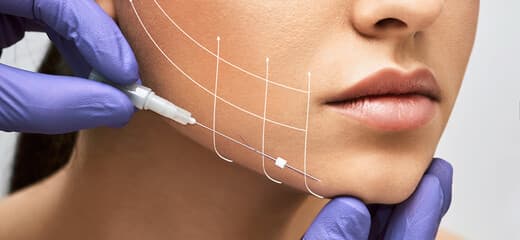
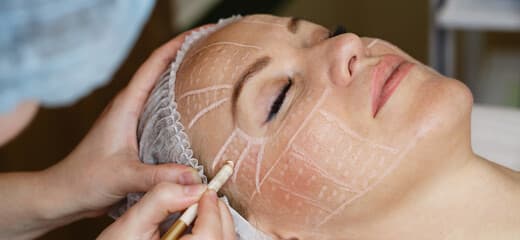
A facelift (also known as rhytidectomy) is a surgical procedure designed to reduce the visible signs of aging on the face and neck. It primarily addresses sagging skin, deep wrinkles, and loss of facial volume. By tightening the skin and underlying tissues, a facelift creates a more youthful, refreshed appearance. This procedure can be combined with other treatments such as eyelid surgery or a brow lift to achieve comprehensive facial rejuvenation.
How is a Facelift Performed?
A facelift is a highly customizable procedure based on the patient’s facial anatomy and aesthetic goals. Here's an overview of the process:
- Consultation and Planning:
- During your consultation, your surgeon will assess your facial structure, discuss your expectations, and plan the procedure accordingly. They will also take photographs and may recommend complementary treatments, such as dermal fillers or laser resurfacing.
- Anesthesia:
- Facelifts are typically performed under general anesthesia, although some patients may opt for local anesthesia with sedation, depending on the extent of the surgery.
- Surgical Approach:
- There are several types of facelifts depending on the patient’s needs:
- Traditional Facelift: Involves incisions made along the hairline, around the ears, and sometimes under the chin. The skin is lifted, and the underlying muscles and tissues are tightened before the skin is repositioned.
- Mini Facelift: A less invasive option with smaller incisions, usually limited to the area around the lower face. This option is ideal for patients with mild to moderate sagging.
- Neck Lift: Often performed in combination with a facelift to address sagging in the neck and jawline area.
- SMAS Facelift: Focuses on tightening the deeper layers of facial tissue (the Superficial Musculo-Aponeurotic System), providing a more natural result and longer-lasting outcome.
- Closing the Incisions:
- Once the surgeon has repositioned the tissues and excess skin, the incisions are closed using sutures. In some cases, drains may be placed temporarily to reduce fluid buildup.
Recovery Process
The recovery process after a facelift varies based on the extent of the surgery. Here's a general timeline:
- First Week:
- Immediately after surgery, you will likely experience bruising, swelling, and discomfort, particularly around the face and neck. Pain is usually manageable with prescribed medication.
- Bandages or a compression garment may be applied to minimize swelling and support healing.
- Most patients remain in bed for the first 48 hours and avoid any physical exertion.
- Week 2:
- After a few days, you may be able to remove the bandages, but swelling and bruising will still be noticeable.
- Stitches are usually removed within 5–10 days.
- By the end of the second week, many patients feel comfortable returning to light activities.
- Weeks 3–4:
- Swelling and bruising will gradually subside. Any residual discomfort should improve significantly.
- Most patients can return to work and daily routines, though strenuous activities should be avoided for at least 4–6 weeks.
- Months 1–3:
- Although you will start seeing your final results, the full effect of the facelift takes a few months to show as residual swelling continues to decrease.
- Scarring typically fades significantly over time, though it can take up to a year for the scars to fully mature.
Benefits of a Facelift
- Youthful Appearance: Facelifts reduce sagging skin and deep wrinkles, providing a smoother, firmer, and more youthful appearance.
- Improved Confidence: Many people experience a boost in self-esteem and confidence after undergoing a facelift, as the procedure enhances their overall facial harmony.
- Long-Lasting Results: While the effects of aging will continue over time, a facelift provides long-lasting improvements. The results can last for 10 years or more, depending on factors like skin type, lifestyle, and overall health.
Potential Risks and Complications
As with any surgery, there are risks involved in a facelift. However, complications are rare when performed by an experienced, board-certified surgeon. Possible risks include:
- Infection
- Bleeding
- Scarring
- Nerve injury (temporary or permanent)
- Asymmetry
- Poor wound healing
Carefully following post-operative instructions will help minimize risks and ensure a smoother recovery.
How Much Does a Facelift Cost?
The cost of a facelift varies depending on the complexity of the surgery, the surgeon’s expertise, and the geographical location of the clinic. On average:
- United States: $7,000–$15,000
- United Kingdom: £6,000–£12,000
- Turkey: €2,500–€5,000
Why Choose Turkey for a Facelift?
Turkey is a popular destination for medical tourism, especially for aesthetic surgeries such as facelifts. Patients from all over the world choose Turkey because of the high-quality services offered at lower prices. Reasons to consider Turkey for your facelift surgery include:
- Affordable Prices: Facelift surgeries in Turkey are much more cost-effective than in the US or UK, with no compromise on quality.
- Skilled Surgeons: Many Turkish plastic surgeons are internationally trained and renowned for their expertise in facial surgeries.
- State-of-the-Art Facilities: Clinics in Turkey use advanced technology and techniques to provide the best results for patients.
- All-Inclusive Packages: Many clinics offer comprehensive packages that include surgery, accommodation, transportation, and post-operative care, making the process easier for international patients.