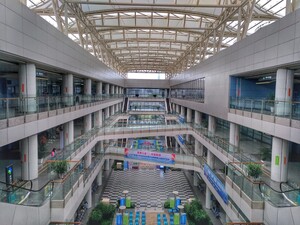
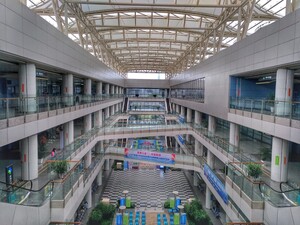
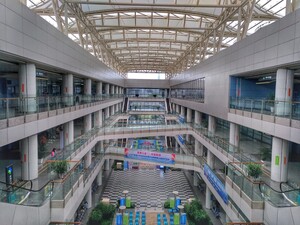
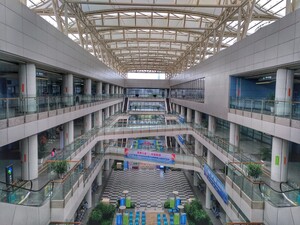
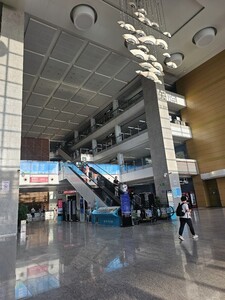
The University of Hong Kong-Shenzhen Hospital was founded on a bold idea: that the best features of Hong Kong's public healthcare, including professional ethics, careful governance and patient-centred communication, could be combined with the scale and energy of a major mainland hospital. Opened in 2012 as a joint project between The University of Hong Kong and the local municipal government, the hospital has grown into a top-grade general hospital with around 2,000 beds and a wide range of specialist centers. Its Department of Ophthalmology works within this environment, drawing on the resources of a full teaching hospital while offering patients the focused attention they need for their eyes. For patients in China and visitors from abroad, the hospital offers a rare blend of international standards, academic depth and everyday practicality.
A Cross-Border Partnership With Hong Kong Roots
The hospital's identity is shaped by its partnership with one of Asia's leading universities. Senior clinicians, managers and academic staff from Hong Kong have helped design its systems, train its teams and set its professional standards. This influence is visible in daily practice. English is used as a working language alongside Chinese, medical records can be provided in English, and clinical guidelines follow internationally recognised evidence. Many doctors hold joint academic roles, and the hospital supports joint research and doctoral training with its university partner.
Because the hospital sits close to the border, it also serves as a bridge for patients from Hong Kong and further afield. Cross-border service desks help patients arrange appointments, and families who live in one place and work in another find it easier to keep their care in a single, familiar institution. The hospital has received international accreditation for healthcare quality, a recognition that reflects its commitment to safe, well-governed care.
The partnership also brings a distinctive approach to leadership. Clinical departments are run with clear lines of responsibility, regular audits and open reporting of problems so they can be fixed quickly. Staff are encouraged to speak up about safety concerns, and lessons learned are shared across the hospital. This culture of accountability, familiar in Hong Kong's public hospitals, gives patients confidence that the systems around their care are as strong as the doctors delivering it.
• Joint project between The University of Hong Kong and the local government
• English used as a working language, with English medical records available
• Evidence-based clinical guidelines shaped by international practice
• International accreditation for healthcare quality and safety
Ethics You Can See in Every Consultation
From its first day, The University of Hong Kong-Shenzhen Hospital committed to a culture of professional integrity. It was the first hospital in its region to adopt a strict policy against red-envelope payments, making clear that every patient receives the same quality of care regardless of gifts or connections. It also introduced a firm appointment system, reducing crowding and giving doctors more time with each patient. Prescribing is guided by a careful, conservative approach, and unnecessary tests or medicines are actively discouraged.
These principles build trust. Patients know that recommendations are made for medical reasons, not commercial ones. Package fees for many services make costs predictable, and the hospital explains charges clearly. For international patients, who may be unfamiliar with local systems, this transparency is especially reassuring.
Respect for patients' time and dignity is part of the same ethic. Consultations take place in private rooms, patients are addressed courteously and personal information is handled with care. Doctors explain findings and options in clear language and invite questions, so that decisions are shared rather than imposed. Patients are encouraged to bring family members to important discussions, and written information is available to take home.
• No red-envelope payments, equal care for every patient
• Appointment-based clinics with more time per consultation
• Conservative, evidence-based use of medicines and tests
• Clear package fees and transparent billing
Eye Care Supported by a Whole Hospital
The Department of Ophthalmology is staffed by experienced doctors at several levels of seniority, supported by nurses, optometrists and technicians. The team has developed particular strengths in conditions affecting the retina, the lens, eye alignment and the eyes of premature babies. Advanced examination and imaging equipment allows detailed assessment, and the department follows structured protocols for every stage of care, from the first examination to long-term follow-up.
Being part of a large general hospital is a real advantage. Many eye problems are linked to other health conditions, such as diabetes, high blood pressure or neurological disease, and some patients are very young or very old. At The University of Hong Kong-Shenzhen Hospital, eye specialists can work directly with colleagues in internal medicine, endocrinology, neurology, paediatrics, neonatal intensive care and anaesthesia. This joined-up approach means that the eyes are never looked at in isolation, and patients with complex needs can be cared for safely under one roof.
The department also contributes to teaching and research. Doctors take part in training programs for junior physicians and visiting clinicians, and the hospital regularly welcomes trainees who want to learn from its combined Hong Kong and mainland experience. This academic activity keeps the team up to date and encourages careful, thoughtful practice.
Children receive special attention. Young eyes are still developing, and problems that are found early can often be managed far more successfully. The department works closely with paediatric and neonatal colleagues to screen at-risk babies, follow children as they grow and guide parents on how to protect their children's sight. Appointments for children are kept calm and friendly, and parents are involved in every decision.
Older patients are equally well supported. Many live with several health conditions and take multiple medicines, so the team reviews each person's overall health before planning care. Clear instructions, large-print information and patient nursing support help older adults feel confident before and after their visit.
• Experienced ophthalmology team with specialist nurses, optometrists and technicians
• Particular strengths in retinal, lens, alignment and newborn eye conditions
• Direct collaboration with diabetes, neurology, paediatric and neonatal teams
• Teaching and training programs that keep standards high
A Welcoming Door for Patients From Abroad
The hospital's International Medical Center is dedicated to foreign residents, expatriate families and visitors. English-speaking staff guide patients through registration, consultations, examinations and payment, and they help coordinate care across departments, including ophthalmology. Service desks operate on both sides of the border, and patients can book online or through the hospital's official WeChat account. Support with international health insurance is available, making the financial side of care easier to manage.
Clinic hours are clearly published, and the center offers weekend sessions for patients who cannot easily attend during the working week. Staff understand that being ill or worried in another country can be stressful, and they take time to explain each step in plain language. When needed, interpretation support helps patients who speak neither English nor Chinese.
• International Medical Center with English-speaking coordinators
• Cross-border service desks for patients travelling from Hong Kong
• Online and WeChat booking, with published clinic hours
• Support with international insurance and clear billing
• Help with communication for patients who need it
A Border-Side Campus With Bilingual Wayfinding
The hospital campus is modern and spacious, designed with clear zones for outpatient clinics, inpatient wards, operating theatres, emergency care and specialist centers. Wide corridors, bright waiting areas and clear bilingual signage help patients find their way. Infection control, patient identification and medication safety follow strict protocols, reflecting the hospital's accreditation standards and its Hong Kong heritage.
Getting to the hospital is straightforward. It is served by public transport, including metro and bus routes, and it is within easy reach of high-speed rail connections to Hong Kong. On-site parking is available for patients who drive. Inside, digital systems support appointment booking, queue management and payment, reducing time spent waiting at counters.
Above all, The University of Hong Kong-Shenzhen Hospital aims to be a hospital that people trust. Its mission is to deliver high-quality, affordable care with integrity, to train the next generation of healthcare professionals and to advance medical knowledge through research. For anyone seeking eye care in China within a hospital that values honesty, safety and international standards, the hospital and its Department of Ophthalmology offer a dependable and welcoming choice.
Prevention and public education are part of this mission too. The hospital runs health talks, community screening activities and online information campaigns that help people understand common eye problems, recognise warning signs and seek help early. By investing in awareness, the hospital hopes to reduce avoidable vision loss across the wider community.