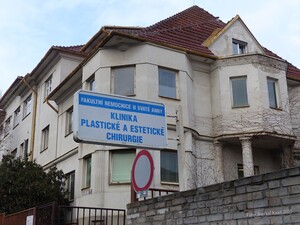
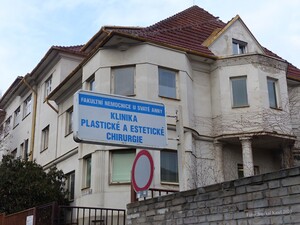
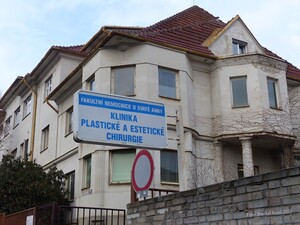
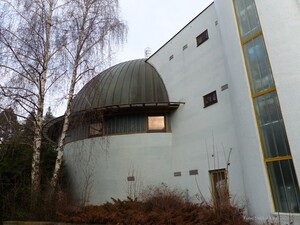
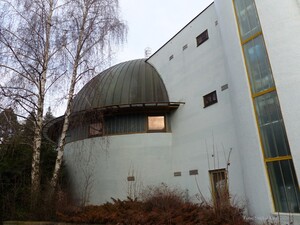
The Klinika plastické a estetické chirurgie is one of the most established plastic surgery departments in the Czech Republic, with a history that stretches back to the late 1940s. It began as a small specialised unit, grew into a branch of a regional university hospital and was formally recognised as a university clinic within a medical faculty in 1958. Since then it has combined three missions that rarely sit so comfortably together: high-quality patient care, the education of new generations of surgeons and the development of the specialty itself. Today the clinic offers both reconstructive and aesthetic care within the safe framework of a large university hospital, and it welcomes patients from across the Czech Republic and abroad. This long tradition gives patients something that a newly founded practice simply cannot provide: the accumulated knowledge, discipline and standards of a team that has been shaping plastic surgery in the region for more than seventy years. The clinic's story began in 1948, when a leading figure in Czech plastic surgery was invited to establish a dedicated department in the region. Operations started the following year in a standalone hospital building, and within a few years the department had become part of the university hospital system. In 1958 it was granted the status of a university clinic, cementing its role in medical education. Over the decades, the clinic contributed to important developments in the field. Its surgeons were involved in early work in burns medicine, helped to centralise specialised care for children born with facial differences, and in 1978 achieved a landmark national first in microsurgery in what was then Czechoslovakia. This milestone placed the clinic at the forefront of microsurgical expertise in the region. Later generations of surgeons continued this tradition of innovation. Members of the team held visiting professorships abroad, and the clinic organised international courses for colleagues over many years, sharing its expertise with specialists from other countries. Such a history matters to patients because it shapes the clinic's culture. Rigour, careful documentation and respect for evidence are not recent additions but habits built over seventy years of practice and teaching. Every surgeon working at the clinic today inherits this legacy and carries the responsibility of maintaining it. The clinic's archive of experience is unusually broad. Generations of surgeons have treated patients of every age and with every kind of need, from children to older adults, and from urgent situations to carefully planned aesthetic wishes. This breadth gives the team a perspective that helps them anticipate challenges and choose the most suitable approach for each person. Founded in 1949 and recognised as a university clinic in 1958. Pioneering work in burns medicine and microsurgery. A landmark national first in microsurgery in 1978. A long tradition of international teaching and exchange. As a university clinic, this department operates under the high standards expected of a teaching hospital. Surgeons are involved not only in patient care but also in training medical students and young doctors, which requires them to explain their reasoning, follow evidence-based protocols and stay up to date with developments in the field. Teaching environments encourage a culture of constant review. Cases are discussed openly, outcomes are analysed and techniques are refined through shared experience. Patients benefit from this collective scrutiny, because decisions are rarely made in isolation and are informed by the knowledge of a broad team. The clinic's background in reconstructive surgery also strengthens its aesthetic work. Surgeons trained in complex reconstruction develop exceptional skills in planning, tissue handling and problem solving, and they bring that precision to every procedure, whether it is functional or cosmetic. Being part of a large university hospital provides an additional layer of security. Specialists from many other disciplines are available when needed, and the full infrastructure of a major medical centre supports the clinic's work. For patients, this means aesthetic care delivered within one of the safest environments available, guided by surgeons accustomed to the highest professional expectations. Research is part of daily life as well. Members of the team publish, present at professional meetings and take part in scientific projects, which keeps the clinic connected to current evidence and encourages a questioning, improvement-focused mindset. Patients may not see this work directly, but they feel its effects in the thoughtfulness of every recommendation. Evidence-based protocols typical of a teaching hospital. Open case discussion and continuous review of outcomes. Reconstructive expertise that strengthens aesthetic precision.
The infrastructure and specialist support of a major hospital. Many smaller procedures at the clinic are performed under local anaesthesia on an outpatient basis, allowing patients to return home on the same day. For those who need a longer stay, the clinic offers accommodation in its own inpatient ward. The ward has been newly renovated and equipped with modern technology. Patients are supervised throughout the day and night by specially trained staff, providing reassurance during the first hours and days after treatment when attentive care matters most. Rooms with one, two or three beds are available, in both standard and above-standard configurations. This choice allows patients to select the level of privacy and comfort that suits them, whether they prefer a quiet single room or the company of others. Accommodation is especially valuable for patients travelling from more distant parts of the Czech Republic or from abroad. Instead of organising hotels and transport during recovery, they can rest within the clinic under professional supervision until they are ready to travel. Clear routines for discharge and aftercare ensure that patients leave with all the information they need for a smooth recovery at home. Nursing staff on the ward are experienced in post-operative care and know how to make patients comfortable, from managing discomfort to explaining dressings and mobility. Their calm, reassuring presence is often what patients remember most about their stay, and it plays a significant part in a smooth recovery. Outpatient care for smaller procedures under local anaesthesia. A newly renovated inpatient ward with modern equipment. Round-the-clock supervision by trained staff. A choice of standard and above-standard rooms. Despite its academic standing, the clinic never loses sight of the individual patient. Consultations focus on understanding each person's concerns, explaining options clearly and setting realistic expectations. Surgeons take the time to answer questions, and patients are encouraged to make decisions without pressure. Information is shared openly. The clinic provides details about the stages of care, typical recovery and frequently asked questions, helping patients prepare before their first visit. Knowing what to expect reduces anxiety and supports better healing. Regular weekday consultation hours make it straightforward to arrange appointments, and the clinic's staff are experienced in coordinating care for patients who need several visits. Follow-up appointments are scheduled to monitor healing and to address any concerns as they arise. Reconstructive and aesthetic patients are treated with the same respect and attention. Whether someone comes after an injury, with a congenital condition or simply wishing to feel more comfortable with their appearance, they receive care shaped by the same professional values. This consistency reflects the clinic's belief that every patient deserves expertise, honesty and dignity. Patients are also encouraged to involve family members or close friends in their preparation. Having a trusted person understand the plan and the recovery process makes the days after treatment easier, and the clinic is happy to answer their questions as well. Unhurried consultations and realistic expectations. Clear information about preparation and recovery. Convenient weekday consultation hours. Equal respect for reconstructive and aesthetic patients. The clinic has a long history of international connections, and patients from overseas are warmly welcomed by its highly trained and experienced team. Its reputation as a university department with deep roots in plastic surgery attracts people who value proven expertise over marketing promises. For international visitors, the availability of inpatient accommodation is particularly helpful. Patients can recover under professional supervision without needing to arrange separate lodging, and the team helps them understand how long they should plan to stay before travelling home. The clinic's integration within a large hospital also offers reassurance to those far from home. Should any additional medical attention be needed, the necessary specialists and facilities are close at hand. Surgeons continue to engage with colleagues internationally, attending meetings and sharing knowledge. This openness keeps the clinic connected to global developments and ensures that patients benefit from up-to-date practice. For anyone in the Czech Republic or abroad seeking plastic surgery from a team with a remarkable heritage, academic rigour and the safety of a university hospital setting, the Klinika plastické a estetické chirurgie offers a rare combination of tradition and modern care. Experience caring for patients from overseas. Inpatient accommodation that simplifies travel and recovery. Access to the wider resources of a university hospital. Ongoing international professional engagement.