Nemocnice AGEL Ostrava-Vítkovice is a large hospital in the Czech Republic whose surgical department is home to one of the most experienced bariatric and metabolic surgery centres in the country. For around two decades, the centre has helped patients with severe obesity regain their health, mobility and quality of life, completing more than 2,200 successful operations since 2005. Its work combines surgical precision, close cooperation with obesity specialists and the extensive resources of a modern hospital. Patients choose the centre because it offers the experience of a long-established programme, a carefully structured care pathway and the safety of a fully equipped hospital, all focused on long-term results rather than quick fixes. The centre's long history is one of its greatest strengths. Since beginning its bariatric programme, the team has treated a remarkably wide range of patients, from adolescents to people in their seventies and patients with very high body weight. This breadth of experience means that the surgeons have encountered almost every situation that can arise in obesity surgery and know how to plan and manage even complex cases safely. The centre's reputation extends well beyond its own region. Patients are referred by obesity specialists, diabetologists and general practitioners from across the country, and colleagues regularly seek the team's advice on complex cases. This trust from the professional community is one of the clearest signs of the centre's expertise and of the consistency of its results over many years. Success in bariatric surgery is measured over years, not weeks. The centre evaluates its results two to five years after surgery and reports a high long-term success rate, reflecting both surgical quality and the strength of its follow-up programme. This commitment to evaluating outcomes honestly is part of the centre's culture of responsibility and continuous improvement. Around twenty years of bariatric and metabolic surgery. More than 2,200 successful operations. Experience with patients of all ages and body weights. Long-term evaluation of results and continuous improvement. The centre holds official bariatric centre status and is fully accredited by the national obesity society, confirming that its standards meet the requirements of the professional community. These achievements are not seen as the end of the journey. The team continues to refine its techniques, review its outcomes and adapt its approach as new evidence emerges. This steady, thoughtful development is one of the reasons why patients and referring doctors continue to trust the centre year after year. Obesity is a complex condition that affects the entire body, and the centre treats it accordingly. Surgeons work hand in hand with obesity specialists, sharing responsibility for each patient's assessment, preparation and follow-up. This close cooperation ensures that surgical decisions take into account the patient's metabolic health, associated conditions and long-term needs. Patients are also encouraged to maintain contact with their general practitioner and specialists at home, and the centre provides clear reports to support coordinated care. This cooperation helps ensure that the improvements achieved through surgery are maintained over the years, particularly for patients managing diabetes, blood pressure or other long-term conditions. Regular case meetings bring the team together to review challenging situations and agree on the best course of action. Each patient's history, examinations and goals are discussed in detail, and the final plan reflects the combined judgement of surgeons and obesity specialists. This careful, collective approach reduces risk and helps ensure that every patient receives the most suitable treatment for their individual situation. The centre recognises that severe obesity often occurs together with type 2 diabetes, high blood pressure, lipid disorders, joint problems and sleep-disordered breathing. Because surgery can improve many of these conditions, the team describes its work not only as bariatric but also as metabolic surgery. Each plan is designed to support the patient's overall health, not only weight loss. Surgeons and obesity specialists working as one team. Attention to associated conditions and metabolic health. Plans designed for overall health, not weight alone. Shared responsibility from assessment to follow-up. Team members also share their knowledge with colleagues through workshops, symposia and research projects, keeping the centre at the forefront of developments in the field. The centre places great importance on preparation. Before any operation, patients go through a structured pathway that includes detailed medical assessment, discussion of suitable options and thorough counselling about the benefits and risks of surgery. Patients learn what changes to expect in their eating habits and lifestyle, how recovery unfolds and what they can realistically achieve.
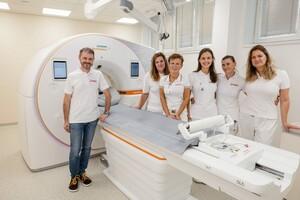
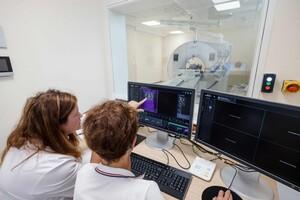
Patients also learn how to prepare their bodies for surgery. Guidance on nutrition, physical activity and, where needed, initial weight reduction helps reduce surgical risk and makes recovery smoother. The team explains why each step matters, so patients understand that preparation is an active part of their treatment rather than a formality before the operation. The choice of procedure is always individual. The team considers each patient's weight, health, age and goals, and explains why a particular approach is recommended. For some patients with very high body weight, a staged approach may be advised to reduce risk before the main operation. This careful planning helps ensure that every patient undergoes the procedure that offers the best balance of safety and effectiveness. Detailed assessment and individual choice of procedure. Thorough counselling about benefits and risks. Staged approaches for patients with very high body weight. Clear information about lifestyle changes and recovery. Patients can contact the obesity-surgery outpatient clinic by phone to begin the process, and the team guides them through each step that follows. The decision to undergo surgery is never rushed. Patients are encouraged to reflect, discuss the options with their families and return with further questions. This respectful approach helps ensure that every patient enters treatment with confidence and a clear understanding of the commitment involved. Being part of a large hospital gives patients access to resources that smaller facilities cannot provide. The surgical centre has five operating theatres, modern diagnostic equipment including advanced imaging, and technical equipment designed specifically for patients with severe obesity, including an operating table rated for very high body weight. Laparoscopic techniques are standard, and complex procedures can be supported by image-guided navigation. Recovery after surgery is carefully supervised. Patients are encouraged to move early, their pain is managed attentively and their diet is advanced step by step under professional guidance. Before discharge, they receive clear written instructions about eating, activity and warning signs, together with a schedule of follow-up visits, so that they feel prepared and supported when they return home. If any unexpected situation arises, the full capabilities of the hospital, including intensive care and specialist consultations, are immediately available. Experienced anaesthesiologists and nursing staff are familiar with the specific needs of bariatric patients, from positioning and monitoring to early mobilisation after surgery. Five operating theatres and advanced imaging. Equipment designed for patients with severe obesity. Minimally invasive techniques as standard. Immediate access to intensive care and specialists. The hospital environment is described by patients as pleasant and well organised, helping them feel safe and supported during their stay. The centre believes that surgery is only the beginning of a patient's transformation. After the operation, patients enter a long-term follow-up programme that includes regular check-ups, nutritional guidance and encouragement to increase physical activity. These visits allow the team to monitor weight loss, adjust recommendations and identify any nutritional or health issues early. The hospital also offers excellent accessibility, with public transport connections and parking available for patients and visitors. Clear signage and helpful staff make it easy to find the surgical department, and the hospital's long history in the community gives many patients a sense of familiarity and trust before they even arrive. The hospital also offers a non-surgical obesity programme within its rehabilitation department, combining movement therapy, physiotherapy and nutrition counselling. This broader approach reflects the hospital's commitment to helping patients with excess weight at every stage, whether they are preparing for surgery, recovering from it or choosing a different path. Patients from abroad are welcome, and the hospital can help with related non-medical arrangements. For anyone in the Czech Republic or abroad who is looking for an experienced, accredited bariatric centre within a modern hospital, Nemocnice AGEL Ostrava-Vítkovice offers a trusted and comprehensive choice. Patients can expect careful planning, honest counselling and a team that remains committed to their health long after they leave the operating theatre. Regular follow-up visits and nutritional guidance. Encouragement and support for an active lifestyle. A complementary non-surgical obesity programme. Support for international patients.