When New Hospitals opened its doors in 2011, it did not start from nothing. The clinic was created through the reconstruction of two long-established institutions, one of them an eye hospital whose roots reach back to 1892, and it inherited generations of clinical experience along with the responsibility that comes with such a legacy. Today New Hospitals is a 285-bed multi-profile clinic built in compliance with European standards, offering inpatient and outpatient care across more than thirty-five specialties. Its guiding words, experience, professionalism and technologies, summarise what patients can expect: seasoned specialists, disciplined teamwork and modern equipment brought together in one welcoming environment in Georgia. For many families, the hospital has become the first place they turn to when a health question needs a trustworthy answer.
A Charity Eye Hospital That Grew Into New Hospitals
The eye care tradition at the heart of the clinic began more than a century ago, when a Georgian ophthalmologist founded a charity hospital dedicated to eye diseases. Across the decades that institution trained countless specialists, developed new methods and earned the trust of patients throughout the region. Its modern successor, the National Center of Ophthalmology, now carries that tradition forward inside New Hospitals, drawing on a history of more than thirteen decades of caring for sight.
This long memory shapes the character of the whole clinic. Senior specialists pass on hard-won knowledge to younger colleagues, standards are handed down and refined rather than reinvented, and the institution approaches innovation with both enthusiasm and caution. New techniques are welcomed when they genuinely help patients, and they are introduced carefully, with proper training and clear protocols.
• Eye care heritage dating back to 1892
• Reconstruction and reopening as a modern multi-profile clinic in 2011
• A 285-bed facility designed around European standards
• More than thirty-five medical specialties under one roof
The merger of tradition and modernity is visible in daily life at the clinic. Historic expertise sits comfortably alongside digital records, advanced imaging and carefully designed wards, and the result is an environment where patients sense both stability and progress.
Where Many Specialties Meet the National Center of Ophthalmology
Although ophthalmology is its most celebrated field, New Hospitals was deliberately built as a multi-profile clinic, and this breadth is one of its greatest strengths. The hospital includes centres for neurology and neurorehabilitation, neurosurgery, cardiology and cardiac surgery, arrhythmias, orthopaedics and traumatology, oncology, oncohematology, children's health, spine care for adults and children, rheumatology, gynaecology, urology, dermatology and many more. Intensive care, emergency medicine, a laboratory and a blood bank support every department.
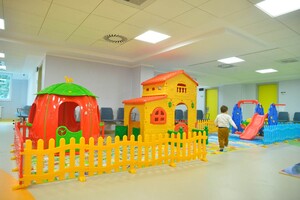
For patients this means that complex situations can be handled without the stress of moving between separate institutions. A person whose eye problem is linked to diabetes, a neurological condition or a rheumatic disease can be seen by the relevant experts within the same building, and those experts can discuss the case directly with one another. Children benefit from a dedicated health centre where paediatric specialists understand how to make young patients and their parents feel at ease.
• Close collaboration between ophthalmologists, neurologists, endocrinologists and other specialists
• A dedicated children's health centre and paediatric expertise across departments
• Round-the-clock emergency and critical care support
• Laboratory, radiology and endoscopy services integrated into everyday care
This integrated model also supports more accurate diagnoses. When the full picture of a patient's health is visible to a coordinated team, subtle connections are recognised earlier, and plans are designed to protect overall wellbeing rather than a single organ in isolation.
Precision Instruments in Experienced Hands
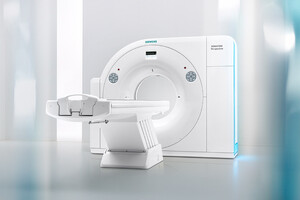
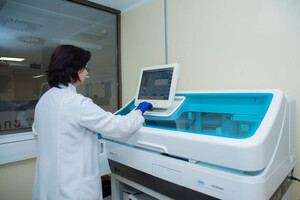
Modern eye care depends on measurement of extraordinary accuracy, and the National Center of Ophthalmology at New Hospitals has invested in equipment that allows specialists to see and quantify the structures of the eye in remarkable detail. Three-dimensional optical coherence tomography, Heidelberg retina tomography and Oculus Pentacam imaging help the team detect disease early, follow changes over time and plan each intervention with care. In the operating theatre, advanced Alcon and Carl Zeiss systems, including femtosecond and excimer laser platforms, support safe and efficient procedures.
These resources have helped the centre earn recognition as a regional hub for refractive surgery across the Transcaucasus, and they are complemented by the wider technical capabilities of the hospital, including state-of-the-art ultrasound and diagnostic imaging for other departments. Yet the clinic is careful never to let equipment overshadow judgement. Every device is operated by trained professionals who understand its possibilities and its limits, and results are always interpreted in the context of the individual patient.
Behind the technology is a large team of ophthalmologists and surgeons covering every major subspecialty, from the front of the eye to the retina and from paediatric care to oculoplastic and orbital work. Specialists meet regularly to review difficult cases, share experience and agree on the best approach. That collaborative spirit ensures that patients benefit from the collective knowledge of the entire department, not simply from the expertise of one person.
• Advanced imaging for early detection and careful monitoring
• Laser and microsurgical platforms from leading international manufacturers
• Subspecialist teams covering adults and children
• Regular case reviews that pool the experience of the whole department
Quality Frameworks and International Partnerships
Trust must be earned repeatedly, and New Hospitals invests in systems that keep quality consistent. The clinic has received German KTQ accreditation, an external assessment that examines patient orientation, staff development, safety, information management and leadership. Preparing for and maintaining such recognition requires every department to document its processes, measure results and look continuously for improvements, which reinforces a culture of accountability throughout the organisation.
The hospital also works with international partners. It serves as a medical service provider for beneficiaries of International SOS, and it has partnered with programmes that support members of the international community, which means that expatriates, diplomats, business travellers and visitors can receive care from a clinic already familiar with international expectations. Communication in Georgian, English and Russian makes consultations clear and comfortable, and staff are used to guiding people unfamiliar with the local healthcare system through each step.
A clinical trials department further connects the clinic with the global medical community. Participation in carefully regulated research keeps specialists close to the newest scientific developments and brings international standards of documentation and ethics into everyday practice. Patients benefit indirectly from this engagement, because the discipline and curiosity that research demands also raise the quality of routine care.
Investment in people completes this picture. Doctors and nurses are supported in attending professional courses, learning new techniques and sharing what they learn with their teams. Internal teaching sessions, mentoring and open discussion of outcomes help the organisation improve steadily, and staff take pride in belonging to an institution with such a long record of service.
A Calm Path From First Visit to Recovery
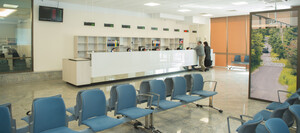
A hospital visit can be stressful, especially when eyesight or a loved one's health is at stake, so New Hospitals pays close attention to the human side of care. Reception teams help patients find their way, appointments are organised to minimise waiting, and doctors take the time to explain findings in language that is easy to understand. Relatives are welcomed into important conversations, and questions are treated as a normal and valuable part of the process rather than an interruption.
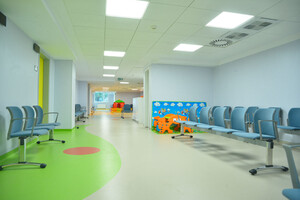
Outpatient services allow many people to complete consultations and follow-up visits efficiently, while inpatient wards provide comfortable, well-organised spaces for those who need to stay longer. Emergency teams are available at all hours, including for urgent eye problems and injuries, which gives families real peace of mind. Nurses play a vital part throughout this journey, monitoring comfort, answering practical questions and making sure that nothing important is overlooked during the busy hours after a procedure or admission. Their calm presence is often what patients mention first when they describe their stay. After discharge, clear instructions and scheduled reviews help patients continue their recovery safely at home.
• Friendly guidance from arrival to departure
• Clear explanations and time for questions at every consultation
• Emergency support available day and night
• Structured follow-up that keeps recovery on track
Choosing New Hospitals means choosing a clinic that respects its past while investing confidently in the future. Its long eye care heritage, broad multidisciplinary expertise, modern equipment and commitment to recognised quality standards together create an environment where patients in Georgia and visitors from abroad can feel secure. Above all, it is the attentiveness of its people, doctors, nurses, technicians and support staff alike, that turns sophisticated medicine into an experience of genuine care.