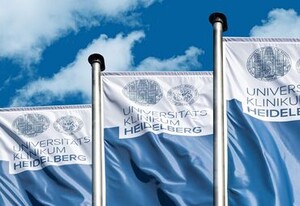
Heidelberg University Hospital is part of a medical tradition connected to the oldest university in Germany, founded more than six centuries ago. Today it is one of the largest and most respected academic hospitals in Europe, with around 50 specialist departments, more than 13,000 employees and patients arriving from over 100 countries every year. Within this wide network, the plastic, reconstructive and aesthetic surgery team offers care that rests on three strong pillars: clinical experience, active research and close teamwork with neighbouring specialties. Patients who choose Heidelberg University Hospital are not treated by an isolated unit, but by a team that can call on the knowledge of an entire university medical centre whenever a case demands it.
Six Centuries of Academic Medicine Behind Every Consultation
The hospital's long academic heritage is more than a historical footnote. It shapes the way doctors think, train and make decisions every day. Surgeons here teach medical students, supervise young specialists and publish their results, which means they are constantly measured against international standards. This culture of learning keeps methods current and encourages honest review of outcomes.
For patients, this academic foundation translates into several practical advantages:
• Care plans are discussed and reviewed by experienced specialists rather than decided by one person alone.
• New surgical techniques are introduced only after careful evaluation and training.
• Doctors take part in clinical studies and scientific exchange, so their knowledge reflects the latest evidence.
• Complex or unusual cases benefit from colleagues who have seen similar situations before.
The close partnership with the German Cancer Research Center and the National Center for Tumor Diseases strengthens this scientific base even further. When restorative surgery follows cancer care, patients gain from a setting where oncology, radiology, pathology and surgery are used to planning together. This connection is especially valuable for people whose surgical journey is only one part of a longer course of treatment.
Academic medicine also brings a certain discipline to documentation and quality control. Results are recorded, complications are reviewed openly and lessons are shared across teams. This steady cycle of reflection is one of the quiet reasons why university hospitals in Germany enjoy such a strong reputation, and Heidelberg University Hospital is a prominent example of that tradition.
A Campus Where Specialists Plan Together
One of the most important reasons to trust Heidelberg University Hospital is its interdisciplinary way of working. Plastic and reconstructive surgery rarely stands alone. A patient may need input from oncologists, gynaecologists, dermatologists, anaesthetists, physiotherapists and wound care nurses at different stages. At Heidelberg University Hospital, these experts are located on one connected campus, with most departments housed in modern buildings within a short distance of each other.
This proximity makes real collaboration possible. Tumour boards and joint case discussions allow doctors to agree on the best timing and sequence of care. Imaging results, lab findings and specialist opinions are shared quickly, which reduces waiting and repeated examinations. Patients notice the difference: instead of being passed from one clinic to another, they experience a coordinated plan with clear responsibilities.
• Joint planning between surgical, oncological and diagnostic teams
• Modern operating theatres in recently built surgical facilities
• Intensive care and anaesthesia support available around the clock
• Access to specialised rehabilitation and physiotherapy after surgery
Microsurgery is a particular strength of the team. Operating under high magnification requires precise skills, specialised equipment and a hospital structure that can monitor patients closely after surgery. A large university centre is ideally equipped for this kind of demanding work, and the surgeons bring years of practice in restoring function and form after trauma, disease or congenital differences.
Safety standards are built into every stage of the hospital stay. Checklists before surgery, experienced anaesthesia teams, strict hygiene rules and close monitoring on the ward all help to reduce risk. Should an unexpected situation arise, the full resources of a maximum-care hospital are immediately available, which gives patients and their families valuable peace of mind.
Values That Put the Person Before the Procedure
Technology and scientific excellence matter, but the team at Heidelberg University Hospital believes that the relationship between patient and doctor is just as important. Many people come to reconstructive surgery after a difficult time, such as a serious illness, an accident or a long struggle with their body. Others come with a personal wish that they have considered for years. In every case, the team takes time to listen, explain options honestly and set realistic expectations.
The values that guide daily work include:
• Respect for each patient's history, culture and personal goals
• Transparent information about benefits, risks and recovery time
• Shared decision-making, so patients stay in control of their choices
• Careful follow-up to support healing and long-term satisfaction
• A commitment to safety that shapes every step, from the first consultation to discharge
Doctors and nurses aim to create an atmosphere in which patients feel comfortable asking questions. Consultations are used to understand what matters most to the person, whether that is restoring function, reducing pain, regaining confidence or achieving a natural appearance. Treatment plans are then built around these priorities rather than around a standard template.
The nursing team plays a key role in this approach. Specialised nurses help patients prepare for surgery, manage pain and wound care afterwards and learn how to look after themselves at home. Their practical guidance often makes the difference between an anxious recovery and a confident one.
Emotional wellbeing receives attention too. Where helpful, patients can be connected with psychological support, social services or patient groups. The team understands that healing is not only physical, and that feeling heard and respected is part of a good outcome.
A Welcoming Gateway for Patients From Abroad
Heidelberg University Hospital welcomes a large number of international patients every year, and it has built a dedicated Medical International Office to make their stay as smooth as possible. This office acts as a single point of contact before, during and after treatment. Staff help patients understand the medical process, organise paperwork and handle the many small details that can feel overwhelming in a foreign country.
Services offered to international patients include:
• Review of medical records and coordination of treatment enquiries
• Transparent cost estimates before arrival
• Scheduling of appointments and admission dates
• Certified medical interpreters on request
• Help with visa letters, accommodation and travel arrangements
• Support with cultural and religious needs during the hospital stay
The hospital employs physicians and nurses from many different countries, and its website is available in several languages, including German, English, Russian and Chinese. This multilingual environment helps patients and families feel understood. The location is also practical for travellers, as the campus is within easy reach of one of the major international airports in Europe.
Families who travel with a patient are not forgotten. The international team can advise on nearby accommodation and local services, so relatives can stay close during recovery. Clear communication with the referring doctor at home helps ensure continuity of care once the patient returns.
Before travelling, patients are encouraged to send their medical documents so that specialists can assess the case in advance. This preparation allows the team to confirm whether the planned care is suitable, estimate the length of stay and arrange any additional examinations. As a result, international patients arrive with a clear schedule and fewer surprises.
Investing in Tomorrow's Surgical Care
Heidelberg University Hospital continues to invest heavily in its buildings, equipment and people. A new surgical clinic opened in recent years, alongside modern facilities for women's health, dermatology and children's medicine, and further projects are planned for the coming decade. These investments create bright, functional spaces for patients and efficient working conditions for staff.
Research remains at the heart of this development. The hospital's surgeons participate in scientific projects that explore better ways to restore tissue, improve healing and reduce complications. Findings from the laboratory and from clinical studies flow back into daily practice, so patients benefit from a team that is always looking for ways to improve.
Training the next generation of surgeons is another long-term commitment. Young doctors learn under the supervision of experienced specialists, following structured programmes that emphasise safety, precision and compassion. This ensures that the high standards of Heidelberg University Hospital will continue for many years.
For patients from Germany and around the world, the result is a place where tradition and innovation meet. Choosing Heidelberg University Hospital means choosing a team that combines the security of a large university centre with genuine personal attention, clear communication and a sincere wish to help each patient return to everyday life with renewed confidence.