The Universitätsklinikum Hamburg-Eppendorf, widely known by its short name UKE, is one of the leading university medical centres in Germany, and its Department of Plastic, Reconstructive and Aesthetic Surgery brings the strengths of this institution to every patient it treats. The department describes its purpose as the restoration of physical integrity, functionality and aesthetics. That purpose applies equally to someone recovering from an accident or illness and to someone who wishes to feel more comfortable in their own body. Treatment follows defined care standards, yet it is always adapted to the individual, taking into account personal wishes, preferences, life circumstances and any existing health conditions. For patients, this balance between reliable structure and personal attention is at the heart of why they choose the UKE.
A Digital Pioneer Among European Hospitals
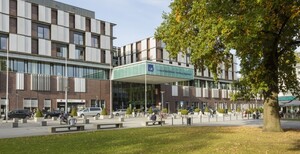
The Universitätsklinikum Hamburg-Eppendorf has a long history that reaches back to the late nineteenth century, and over time it has grown into a modern campus that combines patient care, research and teaching. It is also known as one of the first hospitals in Europe to move almost entirely to digital patient records. Examinations, test results, imaging and treatment plans are available electronically to the professionals involved in each patient's care, which reduces delays, avoids duplicated tests and lowers the risk of errors caused by missing information.
For surgical patients, this digital backbone brings very practical benefits. Surgeons, anaesthetists, nurses and other specialists see the same up-to-date information, medication plans are checked electronically, and every step from admission to discharge is documented clearly. This transparency supports safe decisions and allows the team to focus on what matters most: the conversation with the patient and the quality of each operation.
The same spirit of innovation shapes the buildings themselves. Wards, outpatient areas and operating theatres are arranged to keep distances short and processes efficient, while bright rooms and calm waiting areas help patients feel at ease. Technology is present everywhere, but it is used quietly, in the background, so that human contact remains at the centre of care.
• A modern university campus with a long tradition in medicine
• One of Europe's pioneers in fully digital patient records
• Shared, up-to-date information for every member of the care team
• Fewer delays, fewer duplicated tests and clearer documentation
Standards That Leave Room for the Individual
Clear standards are one of the department's most important commitments. Each type of care follows defined pathways that describe how patients are assessed, prepared, operated on and followed up. These pathways are based on current medical knowledge and are reviewed regularly, which ensures that quality does not depend on chance or on which doctor happens to be on duty.
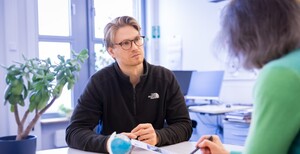
At the same time, the team knows that no two patients are alike. Consultations include a detailed discussion of goals and expectations, an honest look at medical history and risk factors, and a realistic explanation of possible outcomes and recovery. Surgeons are open about situations in which an operation would not be wise, and they encourage patients to take their time before deciding. Where appropriate, psychological support or advice from other specialists can be included to make sure the decision is right.
Respect runs through every part of this process. Patients are addressed as partners in their care, their questions are welcomed and their concerns are taken seriously, however small they may seem. Many people who seek plastic surgery have lived with physical discomfort or emotional strain for a long time, and the team recognises how much courage it can take to ask for help. Privacy is protected carefully, and sensitive topics are discussed in a discreet and supportive way.
• Defined care pathways based on current medical knowledge
• Detailed consultations that respect personal goals and circumstances
• Honest advice, including when surgery is not recommended
• Time to reflect, with further discussion available if needed
Many Disciplines, One Coordinated Plan
The department is part of a large university hospital with dozens of specialised clinics and institutes, and it makes full use of this network. Plastic surgeons work closely with the hospital's obesity centre, with cancer specialists, with trauma and orthopaedic teams, with dermatologists and with experts in facial nerve disorders. When a patient's needs cross the boundaries of a single specialty, the relevant colleagues plan care together, so that each step fits into a coherent whole.
This cooperation is especially valuable for people with complex medical histories. Instead of visiting separate clinics and repeating their story again and again, patients experience one coordinated journey. Results are shared, timing is aligned and responsibilities are clear. The department also supports referring doctors with information and advice, making the transition back to care at home as smooth as possible.
Within the department itself, teamwork is equally important. Experienced senior surgeons, specialists in training, nurses, therapists and administrative staff work together closely, and complex cases are discussed openly in regular team meetings. This culture of shared responsibility means that important decisions are never made in isolation, and that every patient benefits from the knowledge of many people rather than one.
• Close links with the obesity centre and cancer specialists
• Joint planning with trauma, orthopaedic and dermatology teams
• One coordinated journey instead of scattered appointments
• Clear communication with referring and home doctors
Safety and Science in a Maximum-Care Setting
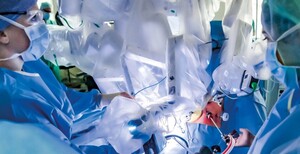
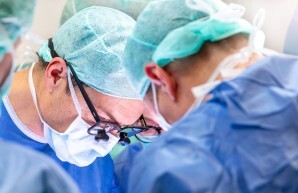
Every operation in the department is supported by the resources of a maximum-care hospital. Specialist anaesthesia teams, modern operating theatres, advanced imaging, laboratory services and intensive care are available at all times. If an unexpected complication occurs, experts from nearly every medical field are on site and can respond quickly. Nursing teams on the surgical wards are experienced in wound care, early mobilisation and pain management, helping patients recover safely and comfortably.
As a university institution, the Universitätsklinikum Hamburg-Eppendorf is also a place of research and education. Its innovative medical curriculum trains future doctors in close contact with patients, and research across many centres of excellence feeds new knowledge into everyday care. Surgeons in the department contribute to teaching, scientific work and professional training, which keeps the team curious, self-critical and aware of international developments.
Quality is monitored continuously. Outcomes are documented, complications are reviewed openly and lessons learned are fed back into the department's care standards. Hygiene protocols, surgical safety checklists and structured handovers between teams are part of everyday routine. For patients, this constant attention to quality offers reassurance that their operation is carried out within a system designed to prevent problems before they occur.
• Specialist anaesthesia and intensive care available around the clock
• Modern theatres, imaging and laboratory services on one campus
• Experienced nursing teams focused on safe recovery
• Teaching and research that keep clinical practice up to date
Welcoming Patients From Every Corner of the World
Patients come to the Universitätsklinikum Hamburg-Eppendorf not only from across Germany but from many other countries. A dedicated International Office supports them from the first enquiry onwards, helping with medical documents, appointment planning, cost estimates, visa questions and travel arrangements. Staff in the office can assist in German, English, Arabic and Russian, and translation support can be arranged for other languages when needed. This service allows international patients to focus on their health rather than on paperwork.
Before travelling, international patients can share their medical records so that surgeons can review them in advance and give an initial assessment. This preparation helps avoid surprises, allows realistic planning of the length of stay and ensures that the first meeting in person can focus on the details that matter most to the patient.
The campus is well connected by public transport and offers facilities that make a hospital stay more comfortable for patients and their companions. From admission to discharge, staff aim to treat each person with warmth, discretion and dignity. After treatment, clear instructions for recovery, planned follow-up appointments and reports for doctors in the home country help ensure that care continues without interruption.
• Dedicated International Office for patients from abroad
• Support in German, English, Arabic and Russian
• Good public transport links and comfortable campus facilities
• Structured follow-up and reports for doctors at home
Choosing the Universitätsklinikum Hamburg-Eppendorf means placing your care in the hands of a department that combines clear standards with personal attention, broad interdisciplinary expertise with the safety of a maximum-care hospital, and scientific rigour with genuine human warmth. Whether the aim is to restore what illness or injury has changed, or to regain comfort and confidence in daily life, the team offers honest guidance and a lasting commitment to every patient's well-being. It is this combination of structure, expertise and empathy that has made the UKE a trusted address for so many people, and it continues to guide the department in every consultation and every operation it performs.