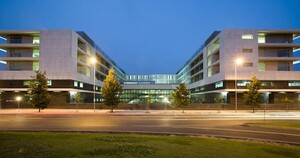
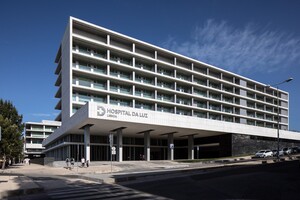
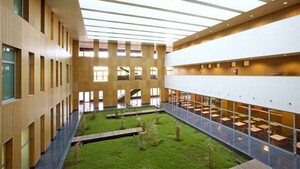
Hospital da Luz Lisboa is often described as the largest and most technologically advanced private hospital in Portugal, and it has earned that reputation by combining everyday clinical excellence with a serious commitment to teaching and research. Since welcoming its first patients in 2006, the hospital has grown into a complex with around four hundred beds, sixteen operating rooms and three separate emergency departments. A major expansion in 2020 doubled its size, adding space, technology and specialists while keeping the patient at the centre of every design choice. Yet size alone is not the reason people choose it. They come because the hospital treats knowledge as something to be shared, tested and constantly improved. Doctors here teach medical students, nurses train in realistic simulation rooms, and clinical research runs alongside routine care. For patients considering plastic, reconstructive or aesthetic surgery, that culture translates into careful planning, current evidence and a team that is used to explaining its reasoning. You are not simply booking an operation. You are entering an institution where quality is measured, discussed and refined every single day.
The First Private Teaching Hospital in the Country
In 2022 Hospital da Luz Lisboa became the first private hospital in Portugal to be recognised as a university teaching hospital. This status matters for patients in ways that are easy to overlook. Teaching hospitals must keep their clinical practice up to date, because students and junior doctors constantly ask why things are done a certain way. Senior specialists review cases together, protocols are regularly revised, and new evidence reaches the bedside faster. Plastic surgeons at the hospital work in this environment every day. They present cases in multidisciplinary meetings, discuss outcomes with colleagues and stay close to the latest international guidance. When you sit down for a consultation, the advice you receive reflects not only one surgeon's experience but the collective thinking of a large academic team.
This academic mindset also shapes the tone of every consultation. Surgeons take time to understand why you are seeking change, what you expect and how the result would fit into your daily life. They explain the options in plain language, describe the likely recovery and are open about the limits of what surgery can achieve. If a less invasive approach, a period of waiting or a different specialist would serve you better, they will tell you. Photographs, measurements and written information help you reflect at home, and there is never pressure to decide during the first visit.
• Official university teaching hospital status since 2022
• Regular case discussions between surgeons and other specialists
• Protocols revised in line with current international evidence
• A learning culture that values questions and transparency
Rehearsing Excellence in a Simulation Centre
One of the most distinctive features of the hospital is its clinical simulation centre, which covers around 1,300 square metres and is the largest of its kind in Portugal. It contains eleven advanced simulation rooms, dedicated debriefing spaces and more than one hundred simulators, including high-fidelity robotic mannequins that breathe, bleed and respond to medication like real patients. Surgical, anaesthetic and nursing teams use these rooms to rehearse rare emergencies, practise communication under pressure and refine technical skills without any risk to real people. The idea is simple and powerful: the best time to learn how to handle a crisis is before it ever happens.
For someone planning surgery, this investment is deeply reassuring. The staff who look after you in the operating room and on the ward have practised teamwork in lifelike scenarios, reviewed their performance on video and discussed how to improve. That preparation shows in calm routines, clear handovers and quick responses if anything unexpected occurs.
• Around 1,300 square metres dedicated to clinical simulation and training
• Eleven simulation rooms and more than one hundred simulators
• Regular team training for surgeons, anaesthetists and nurses
• Structured debriefing to turn every exercise into lasting improvement
Quality Audited to the Highest International Bar
Hospital da Luz Lisboa is accredited by Joint Commission International, and it is the only university hospital in Portugal to hold this seal. The most recent accreditation cycle went further than patient care alone, including the demanding standards on medical education and clinical research. International auditors examine everything from infection prevention and medication safety to how consent is obtained, how staff are credentialed and how teams communicate during surgery. Meeting these standards requires constant effort and honest self-assessment.
In practice, patients experience this as a series of small, consistent safety habits. Identity is confirmed at every step. Surgical checklists are completed before the first incision and before leaving the theatre. Pain, mobility and wound healing are assessed with structured tools, and any concern is escalated quickly to senior staff. Outcomes and patient feedback are tracked and reviewed, so the hospital can see where it performs well and where it must do better.
• Joint Commission International accreditation, including education and research standards
• Structured safety checklists throughout the surgical journey
• Continuous monitoring of outcomes, infections and satisfaction
• Clear escalation routes so concerns reach senior clinicians quickly
Advanced Technology Anchored in a Complete Hospital
Few private hospitals in Europe can match the range of technology available under one roof here. The hospital operates two surgical robots and a robotic operating table, advanced imaging, modern laboratories and intensive care units for adults and children. While not every plastic surgery case needs this equipment, having it on site shapes the whole standard of care. Anaesthetists, radiologists, intensive care physicians, dermatologists, oncologists and breast specialists all work in the same building, so complex cases can be planned jointly and any unexpected issue can be handled immediately by the right expert.
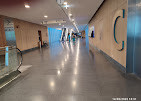
The architecture was designed around safety, comfort and privacy. Wide corridors, natural light, quiet inpatient rooms and clear signage help reduce stress for patients and families. Digital tools connect everything: appointments, test results and clinical reports are available through an online portal, and many follow-up questions can be handled remotely.
Behind the technology stands a group philosophy built on a few clear values: putting the patient first, pursuing excellence, acting with integrity and working as one team. These ideas are not slogans on a wall. They guide how staff are recruited and trained, how new equipment is chosen and how difficult decisions are made. Nurses are encouraged to raise concerns, doctors are expected to share results openly and every department is asked to listen closely to the people it serves. Patient comments are read, answered and used to change routines, from the way appointments are scheduled to the way discharge instructions are written.
• Robotic surgical systems, advanced imaging and on-site laboratories
• Adult and paediatric intensive care within the same complex
• Private, light-filled rooms designed for rest and recovery
• Online portal for bookings, results and teleconsultations
A Dedicated Door for Patients Arriving From Abroad
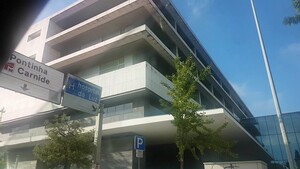
The hospital runs an international patient service for people who travel to Portugal specifically for treatment, visitors who need care during a holiday and foreign residents who live in the country. Coordinators help with the practical side of a stay, from booking the first consultation and organising pre-operative tests to explaining costs, insurance paperwork and follow-up arrangements. Staff are used to speaking English and to supporting patients who feel uncertain about receiving care away from home. The hospital is well connected to the public transport network and offers parking for those arriving by car, which makes the logistics of a surgical visit much easier.
Patients are advised on how long to remain in the country after their operation, when it is safe to fly and what to expect during recovery. Detailed medical reports are prepared so doctors in their home country can continue care smoothly. Relatives who travel with a patient are also welcomed, with comfortable waiting areas, free wireless internet and clear information about visiting times and practical services nearby. The goal is that every visitor, whatever language they speak, understands each step and feels looked after rather than processed.
• International patient coordinators for travellers and foreign residents
• Help with scheduling, costs, insurance and documentation
• Easy access by public transport and on-site parking
• Clear discharge reports for continuity of care at home
Choosing where to have surgery means choosing the people, systems and values that will protect you. Hospital da Luz Lisboa brings together the reassurance of international accreditation, the rigour of a teaching and research institution and the comfort of a modern, patient-centred building. For anyone who wants aesthetic or reconstructive care grounded in evidence, safety and genuine attention, it offers a setting that few hospitals in Europe can equal.